Make your expertise easy to understand

Optimizing a blog for ChatGPT starts with the same goal as good SEO: give people a reliable, people-first answer they can understand and use.
We should not treat ChatGPT citations as a ranking position we can buy or guarantee, because web-connected answers can change with the question, available sources, and context.
Instead, we build pages that explain a topic clearly, show where our knowledge comes from, and remain accessible to systems that discover information on the web, including the OpenAI crawlers that publishers can allow or block.
Start with the questions behind the search

A broad keyword is a starting point, but the real opportunity is the specific problem a prospective customer wants to solve, often expressed through search intent.
We can collect those questions from sales calls, support conversations, Search Console queries, reviews, and the language people use when they compare options.
Then we can separate a reader who needs a definition from one who needs troubleshooting help, a comparison, or confidence before making a decision.
That distinction keeps an article focused and helps us create headings that describe the answer instead of repeating a vague target phrase.
Give the direct answer first
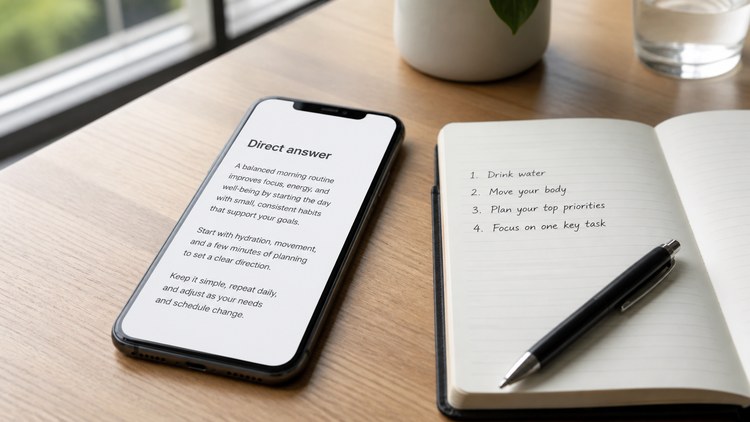
Every major section should begin with a concise answer before moving into background, exceptions, and practical detail.
Clear definitions, named tools, dates, locations, and conditions prevent a reader or an AI system from having to infer what we mean.
We can use short paragraphs, numbered steps, comparison tables, and examples when they make the decision easier, not merely to make the page longer.
This approach serves a person scanning on a phone and creates distinct passages that are easier to retrieve when a question needs a specific answer.
Contribute information that is worth citing

Generic rewrites of familiar advice offer little reason for anyone to choose our page over the many similar pages already available.
Our strongest material usually comes from firsthand experience, a documented process, original data, a case example, an expert explanation, or a tested recommendation.
When we make a factual claim, we should support it with a current authoritative source and make the relationship between the claim and source obvious.
For topics that change quickly, we should show when the page was reviewed and revisit it when rules, products, or customer needs change.
Build a connected topic library

One useful post is valuable, but a group of connected resources gives readers a clearer view of what our business understands well.
We can create a thorough pillar page for a core topic and supporting posts that answer narrower questions without covering the same ground repeatedly.
Relevant internal links should explain why another guide, service page, case study, or glossary page helps the reader take the next step.
Consistent author bios, company details, and contact information also make it easier to understand who is responsible for the information.
Remove technical barriers to discovery

Even a strong article cannot help if crawlers or readers cannot reach, load, and interpret it.
We should check indexability, canonical tags, XML sitemaps, responsive rendering, page speed, and the internal links that lead to important posts.
The core answer should not depend on a login wall, a script that fails to render, or a file that search systems cannot access.
Accurate titles, meta descriptions, image alt text, and descriptive URLs help people and search systems understand the page without resorting to keyword stuffing.
Use structured data honestly

Structured data can clarify that a page is an article and can identify the organization, author, product, service, or other real-world entity described on the page.
We should choose schema types that match visible content, validate the markup, and correct errors instead of adding fields that the page cannot support.
Schema can improve clarity, but it does not guarantee a rich result, a top organic position, or a citation in ChatGPT.
Measure progress and keep improving

We can use Search Console and analytics to watch indexed coverage, impressions, queries, engagement, leads, and the pages that contribute to revenue.
It is also useful to test representative ChatGPT questions periodically and record the response, cited domains, and gaps we can address with better content.
A single answer is only a snapshot, so we should use those observations to improve content rather than treating them as a permanent visibility score.
Frequently asked questions
Who should own a ChatGPT visibility audit?
A content lead should coordinate the audit with subject-matter experts, recording a fixed set of customer questions, the answers and citations returned, the date tested, and the related business page before assigning revisions.
How do we prioritize a legacy blog for improvement?
Start with a 90-day Search Console export and review high-impression pages with weak click-through rates, ranking drops, or poor engagement before rewriting them around intent, proof, and a clear conversion path.
What belongs in our team's AI content brief?
Require the audience, decision stage, approved sources, original examples, internal-link targets, review owner, and placeholders for missing evidence so no one fills a factual gap with generic AI copy.